 Seoul Bible MuseumA short guided journey
New here? Start here · About 10 minutes
How one book reached Korea—and why its story is not finished
Follow four scenes through the Bible’s story, the Korea that existed before it arrived, the Korean hands that translated and carried it, and its impact across past, present, and future.
Begin the short journeyWhat story does the Bible tell?
From creation to new creation
Before following the Bible into Korea, begin with the story it carries: God creates, humanity fractures trust, God calls and rescues, Jesus announces the kingdom of God, and the Spirit sends witnesses toward every nation.
What was here before the Bible arrived?
The Bible did not enter an empty land
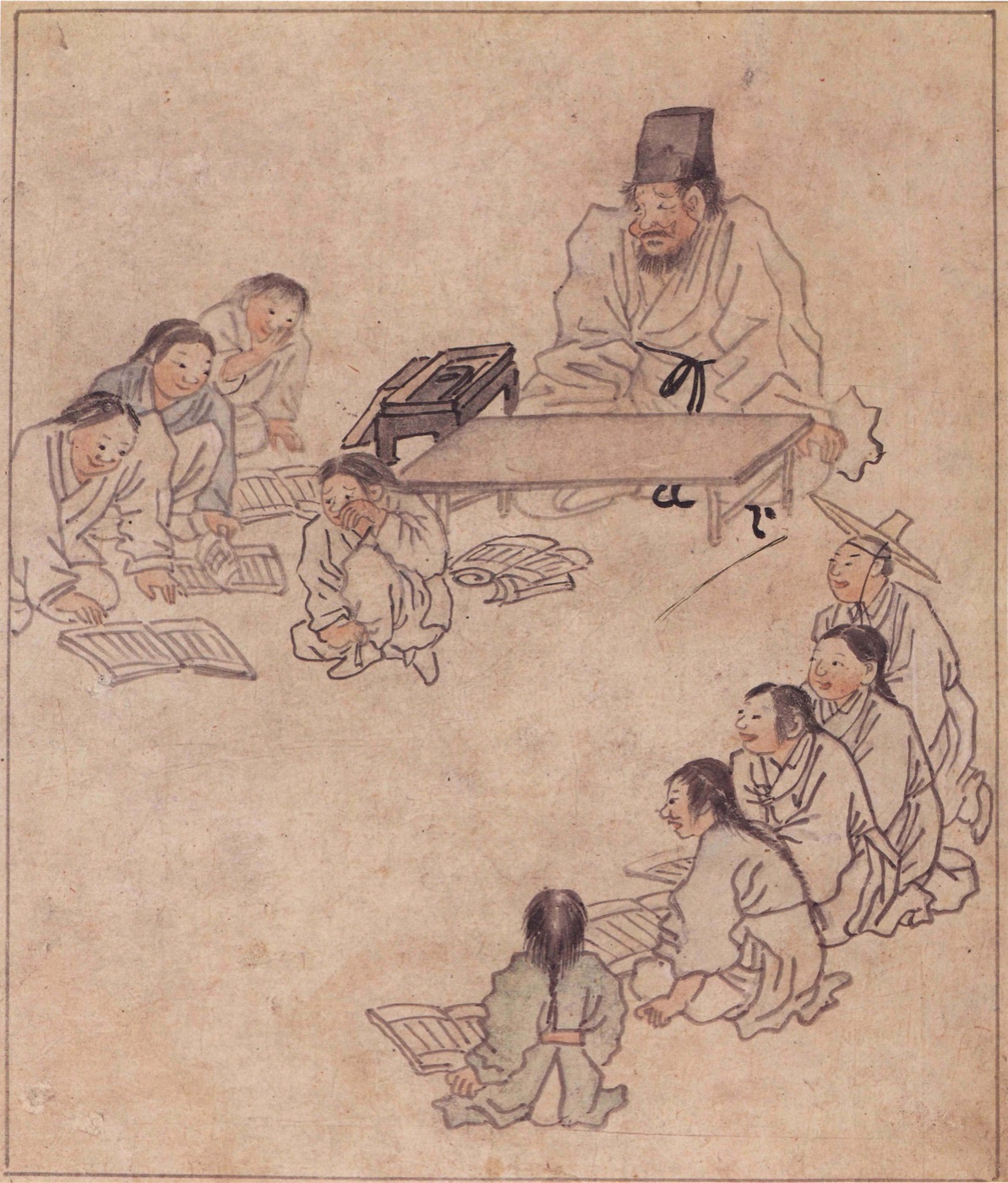
Korea already held shamanic and folk worlds, Buddhist inheritance, Confucian learning, Neo-Confucian institutions, family loyalties, social exclusions, beauty, suffering, and change already underway. These layers did not simply disappear.
How did Korea get the Bible?
The book crossed borders through shared agency
Catholic books entered through Korean scholars and lay communities. In Manchuria and Japan, Korean translators helped prepare Scripture in their own language. Colporteurs carried it home before resident Protestant missionaries established their work in Korea.
What impact did the Bible have—past, present, and future?
Change was real, uneven, and remains unfinished
The Bible entered language, schools, hospitals, homes, public movements, and churches. It supplied words for dignity, service, reform, and resistance, while Christians also repeated hierarchy, nationalism, compromise, and exclusion. Awareness matters when it leads beyond celebration toward renewed obedience and service.
The final question remains open
What does the Bible mean to me?
The question begins with personal response, but it does not end there. In the Great Commission, Jesus sends disciples toward family, community, country, and all nations. History does not decide the future. The next chapter is shaped by what we know, love, obey, and share.